Future Broadcasting Trends and Innovations You Should Know About
The broadcasting industry is experiencing considerable change. Streaming services are reshaping viewer engagement through personalized content and interactive features. As audiences increasingly favor digital platforms, traditional broadcasting faces challenges. Advancements including augmented reality and artificial intelligence are poised to elevate the viewer experience. This transformation prompts discussion about the competencies required for tomorrow's broadcasters. What implications do these trends hold for the industry's future?
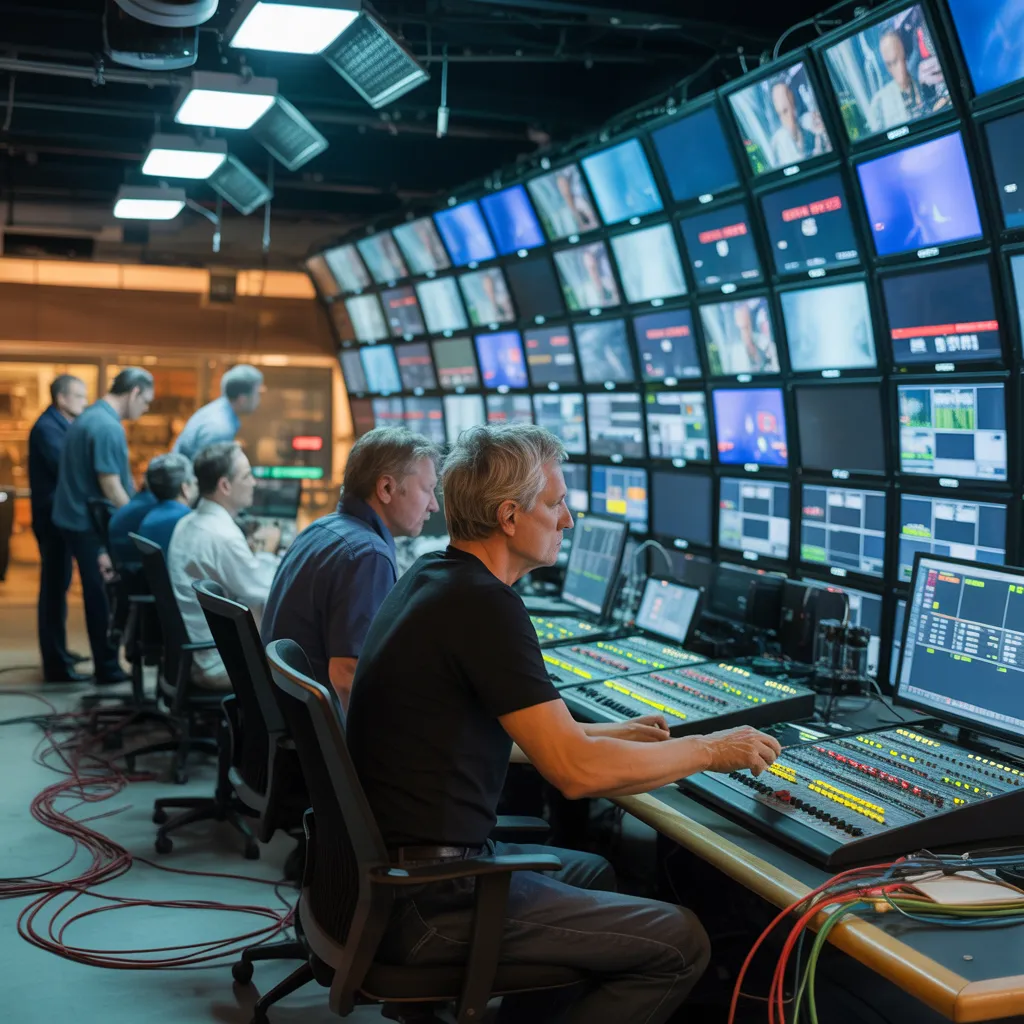
The Way Streaming Services Are Redefining Viewer Engagement
As streaming platforms keep expanding, they are dramatically changing viewer engagement by offering tailored viewing experiences. By utilizing sophisticated algorithms, these platforms study user habits and preferences to provide customized suggestions, which greatly enhances viewer satisfaction. This transformation allows audiences to find content suited to their preferences, thereby creating a more engaging experience.
Furthermore, streaming providers focus on engagement, allowing viewers to engage with content through features like real-time chats and social media connectivity. This creates a community atmosphere among viewers, transforming passive watching into meaningful interaction. Moreover, the flexible nature of streaming platforms facilitates extended viewing sessions, strengthening viewer involvement.
As a result, the traditional audience experience is evolving; viewers are no longer just merely passive consumers but active participants in their content journey. This opening up of access to content represents a pivotal shift in how content is consumed and interacted with in today's digital landscape.
Why Conventional Broadcasting Is Yielding to Digital Platforms
The move from conventional broadcast media to online platforms is a result of evolving audience preferences that prioritize on-demand media consumption. The growth of digital streaming platforms has revolutionized how audiences consume media, delivering flexibility and choice. Furthermore, advanced interactive capabilities captivate audiences in ways that traditional formats simply cannot compete with.
Shifting Viewer Preferences
While traditional broadcasting once dominated the media landscape, a notable transition toward digital platforms is transforming viewer preferences. Consumers are progressively preferring on-demand content, permitting them to enjoy shows and movies whenever they choose. This flexibility contrasts sharply with the rigid schedules of traditional television. Moreover, viewers are increasingly seeking personalized experiences, where intelligent systems craft content aligned with individual interests. Social media platforms also play an essential role, allowing audiences to interact with content and creators firsthand. The growth of mobile consumption has similarly shaped preferences, as consumers pursue entertainment that aligns with their personal habits. Therefore, traditional television networks find it increasingly difficult to hold onto their audiences, forcing broadcasters to evolve or face irrelevance in a changing media landscape.
Rise of Streaming Services
Audience choices are continually affected by the availability and appeal of streaming services, which offer a strong substitute to traditional broadcasting. As consumers seek flexibility and on-demand content, services like copyright, Hulu, and Amazon Prime have established themselves as major contenders. These platforms supply broad catalogs of material, enabling viewers to choose what to watch and when to watch it, free useful information from inflexible programming constraints. The rise of original content produced by these services has additionally heightened rivalry, drawing audiences away from conventional networks. Additionally, subscription-based formats typically exclude commercial interruptions, elevating the quality of the watching experience. Consequently, traditional broadcasters face challenges in retaining audiences, prompting many to react by launching their own on-demand services to address shifting consumer preferences.
Enhanced Interactivity Features
With increasing frequency, people are being attracted to digital platforms for their improved interactive elements, which standard broadcasting finds difficult to offer. This movement empowers viewers to interact with material in entirely new ways. Capabilities including live polls, real-time comments, and personalized content recommendations produce a richer viewing experience. Digital platforms enable users to influence programming choices, building a spirit of togetherness and engagement. Furthermore, social media integration allows for instant responses and engagement with content producers, increasingly erasing the boundaries between creators and audiences. As audiences increasingly favor these participatory experiences, conventional broadcasters struggle to reshape their approaches and methodologies. When all is considered, the demand for engagement will likely continue to drive audiences away from conventional broadcasting toward more dynamic digital alternatives.
How Augmented Reality Is Changing the Face of Broadcasting
Augmented reality (AR) is reshaping broadcasting by enhancing viewer engagement through immersive experiences. By embedding real-time data directly into broadcasts, AR draws in audiences and offers them a more comprehensive understanding of the material. This groundbreaking technological development not only appeals to viewers but also reshapes the way information is shared and experienced.
Enhanced Viewer Engagement
Reshaping the realm of broadcast media, augmented reality (AR) is redefining how viewers experience content. By embedding digital elements into live programming, AR delivers captivating experiences that enthrall viewers. This innovation enables users to engage with content in real-time, enhancing their understanding and enjoyment. As an example, sports broadcasts leverage AR to present player details and game statistics, creating a more engaging viewing experience. Furthermore, AR enables interactive features, such as interactive polls and quizzes, fostering viewer engagement. As broadcasters continue to embrace AR, they are not only elevating viewer engagement but also cultivating a sense of togetherness among viewers. This change marks a move towards a more collaborative model, where viewers are no longer simply passive observers but active contributors to the overall broadcast experience.
Real-Time Data Integration
As broadcasters embrace emerging technologies, real-time data integration proves to be a revolutionary factor in enhancing viewer experiences. Through the use of AR technology, broadcasters can present live data, graphics, and engaging elements that elevate content storytelling. To illustrate, during live sporting broadcasts, viewers can view player data displayed over the live action, delivering instant contextual information. This approach enables an enhanced viewing experience, empowering audiences to connect with content dynamically. Additionally, AR can customize broadcasting experiences, tailoring information to individual preferences and behaviors. Consequently, real-time data not only engages audiences but also cultivates a deeper connection between the audience and the content. This evolving landscape indicates a bright future for broadcasting, driven by technological advancements and audience-centric strategies.
The Value of Personalization in Content
As audiences continue to demand content that aligns with their individual preferences, the importance of personalization in broadcasting has reached unprecedented levels of importance. With the rapid growth of digital platforms, viewers are overwhelmed by an enormous volume of content, making it essential for broadcasters to develop customized content that drive engagement and capture viewer attention. Personalization enhances viewer satisfaction by providing targeted content suggestions, thereby substantially boosting long-term audience engagement.
Moreover, data analytics serves a critical function in interpreting audience habits, empowering broadcasters to craft content that resonates with specific preferences and desires. This flexible strategy not only strengthens viewer loyalty but also enhances advertising efficiency, as advertisers look to reach targeted audiences.
In a time where the competition is intense, embracing personalization is not merely advantageous; it is critical for broadcasters seeking to prosper. By championing customized content, they can establish genuine connections and build a more engaged, satisfied audience.
What's Next in Broadcast Technology?
Advanced technologies stand ready to reshape the media broadcasting sector, paving the way for more immersive and interactive experiences. Breakthroughs including virtual reality (VR) and augmented reality (AR) are enhancing viewer engagement, allowing audiences to participate actively in content. Moreover, developments in 5G technology deliver enhanced data throughput, enabling seamless streaming of high-definition content with minimal latency.
Artificial intelligence (AI) is further reshaping the broadcasting landscape by tailoring content delivery and automating key production tasks. Analytics powered by AI offer broadcasters meaningful data on audience behavior, enabling more precise and focused content planning. Moreover, incorporating cloud-based technologies provides increased adaptability and scalability in content distribution, addressing the expanding need for flexible on-demand viewing options.
As these technologies continue to evolve, they will redefine traditional broadcasting methods, enabling a transition to more dynamic and adaptive media landscapes, ultimately improving the overall viewer experience. The future of broadcasting is poised to adopt these advancements, creating opportunities for both creators and audiences alike.
Fundamental Skills for Tomorrow's Broadcasters
The shifting landscape of broadcasting necessitates a new set of competencies for aspiring broadcasters entering the industry. Key skills include digital literacy, as broadcasters must skillfully manage diverse platforms and technologies. Proficiency in multimedia production is also essential, allowing them to develop compelling content across video, audio, and social media. Grasping data analytics is fundamental, permitting broadcasters to assess audience engagement and refine content accordingly.
In addition, powerful storytelling abilities remain significant, as engaging narratives engage viewers. Versatility is another critical attribute, in light of the swift pace of technological progress and changing audience preferences. Teamwork abilities are essential in growing interdisciplinary settings, where practitioners partner with graphic designers, data analysts, and marketing specialists. Lastly, adherence to ethical journalism is critical, guaranteeing that emerging broadcasters copyright integrity and reliability in their coverage. These competencies will equip them to thrive in a dynamic broadcasting landscape.
Common Questions and Answers
How Will AI Impact Content Creation in Broadcasting?
Artificial intelligence will reshape content creation in broadcasting by automating tasks, enhancing personalization, and streamlining production processes. This advancement allows creators to study viewer preferences, ultimately leading to improved content effectiveness and faster distribution.
What Role Does Social Media Play in Broadcasting's Future?
Social media advances broadcasting's future by enabling live audience interaction, extending content reach, and facilitating precise content delivery. It reshapes conventional broadcasting into a dynamic interactive medium, building meaningful community bonds and boosting viewer retention.
What Risks Are Associated With Personalized Broadcasting?
Yes, targeted broadcasting comes with inherent risks, including privacy-related issues, echo chambers, and biased algorithmic behavior. These issues can narrow exposure to a range of perspectives, potentially leading to misinformation and strengthening preexisting views among specific audiences.
How Can Broadcasters Promote Inclusivity in Future Programming?
Broadcasters can secure inclusivity by meaningfully involving diverse communities, requesting input, embracing varied viewpoints, and leveraging accessible formats. Sustained cultural competency education for creators further cultivates an environment that champions representation and fairness in all content.
Which Skills Will Be Vital for Audiences in the Years Ahead?
Going forward, audiences will require robust digital competency skills, analytical thinking capabilities, and flexibility to explore multiple media platforms. Understanding content creation and data analysis will prove increasingly important for interacting successfully with changing media environments.